Lower Oil Prices May Help Pakistan Avoid a Fuel Cost Crisis
Global oil price declines offer Pakistan relief from rising fuel costs in March 2026 despite regional supply risks.
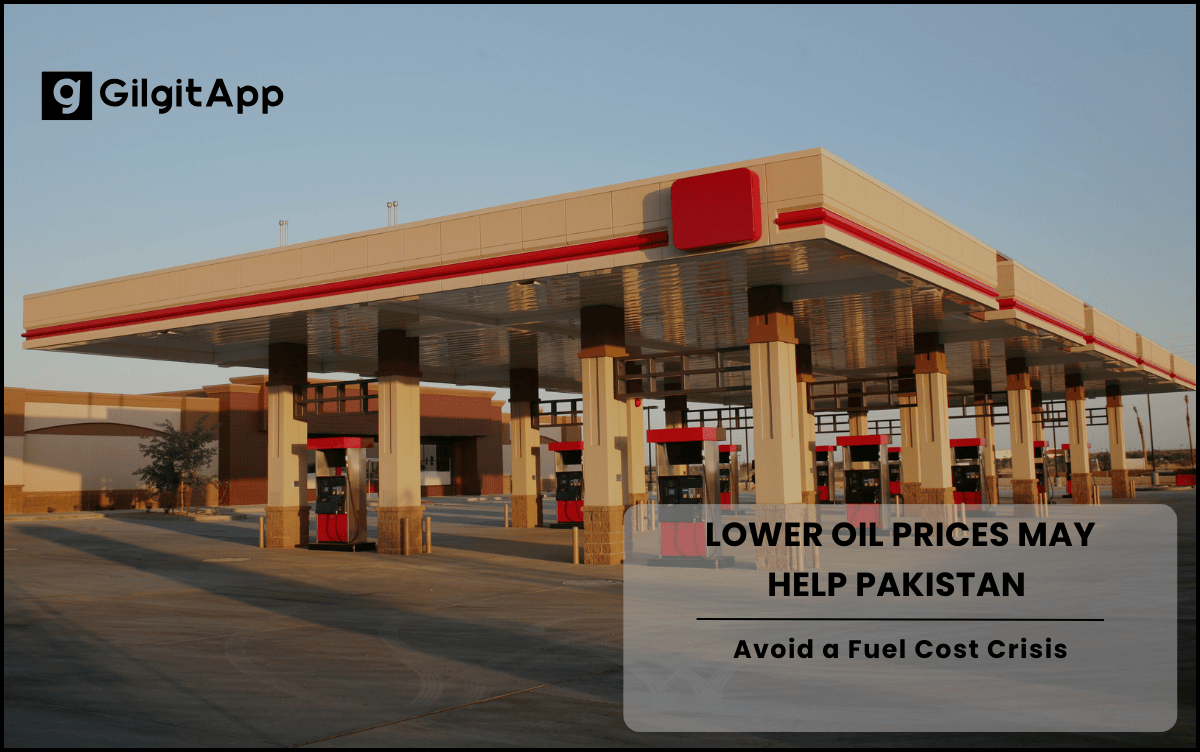
As global oil markets shift in March 2026, Pakistan finds itself at an important crossroads. Falling international crude prices could bring some relief to consumers who have been struggling with rising fuel costs. The recent easing of tensions between the U.S. and Iran has sent waves through energy markets worldwide, giving Pakistan a chance to benefit from lower prices at a time when regional supply worries have been weighing heavily on the economy.
Understanding the Global Oil Price Dynamics
In recent months, the international oil market has been quite unpredictable, with prices swinging due to geopolitical events and changes in the supply chain. The possible easing of tensions between the U.S. and Iran has brought a sense of optimism to global markets, pushing crude prices down. This drop could offer real benefits for Pakistan’s economy, especially at a time when lower fuel costs are much needed.
Impact on Pakistani Consumers and Economy
The possible drop in global oil prices comes at a critical moment for Pakistan, where rising fuel costs have been adding to inflation and stretching household budgets. Cheaper international oil could help bring domestic fuel prices under control, offering much needed relief to families and businesses that depends heavily on transportation and energy.
March 2026 Fuel Price Predictions: What to Expect
Based on current market trends and geopolitical developments, several scenarios are emerging for Pakistan's fuel price predictions in March 2026:
- Best-Case Scenario: Oil prices could drop significantly if current global trends continue
- Moderate Relief: Prices may stay mostly stable, with only small reductions
- Possible Risks: Regional supply disruptions could cancel out any gains from global price drops
Regional Supply Risks and Long-Term Considerations
Although the global outlook looks encouraging, Pakistan still needs to stay cautious about potential supply risks in the region. Its location and reliance on imported oil make the country sensitive to any disruptions in neighboring areas. Careful planning and exploring a mix of energy sources will be essential to ensure long-term stability.
Government Response and Policy Implications
The Pakistani government faces important decisions regarding how to leverage potential oil price reductions. Key considerations include:
- Adjusting domestic fuel pricing mechanisms
- Managing taxation policies to maximize consumer benefits
- Investing in strategic petroleum reserves
- Promoting alternative energy sources
Conclusion: Navigating Uncertain Waters
The recent trends in global oil prices give Pakistan a chance to ease the burden of rising fuel costs and bring some relief to its citizens. Fuel price forecasts for March 2026 look promising, but it will be important to keep a close eye on international markets and take timely policy actions. By making the most of global opportunities while staying mindful of regional challenges, Pakistan can steer toward better energy security and a more stable economy.