
Petrol Price Cut by Rs2.27, Diesel Price Reduced by Rs3.56 in Pakistan
Petrol drops Rs2.27 per litre and diesel Rs3.56 in Pakistan – discover the new prices, savings for drivers, and impact on transport costs.
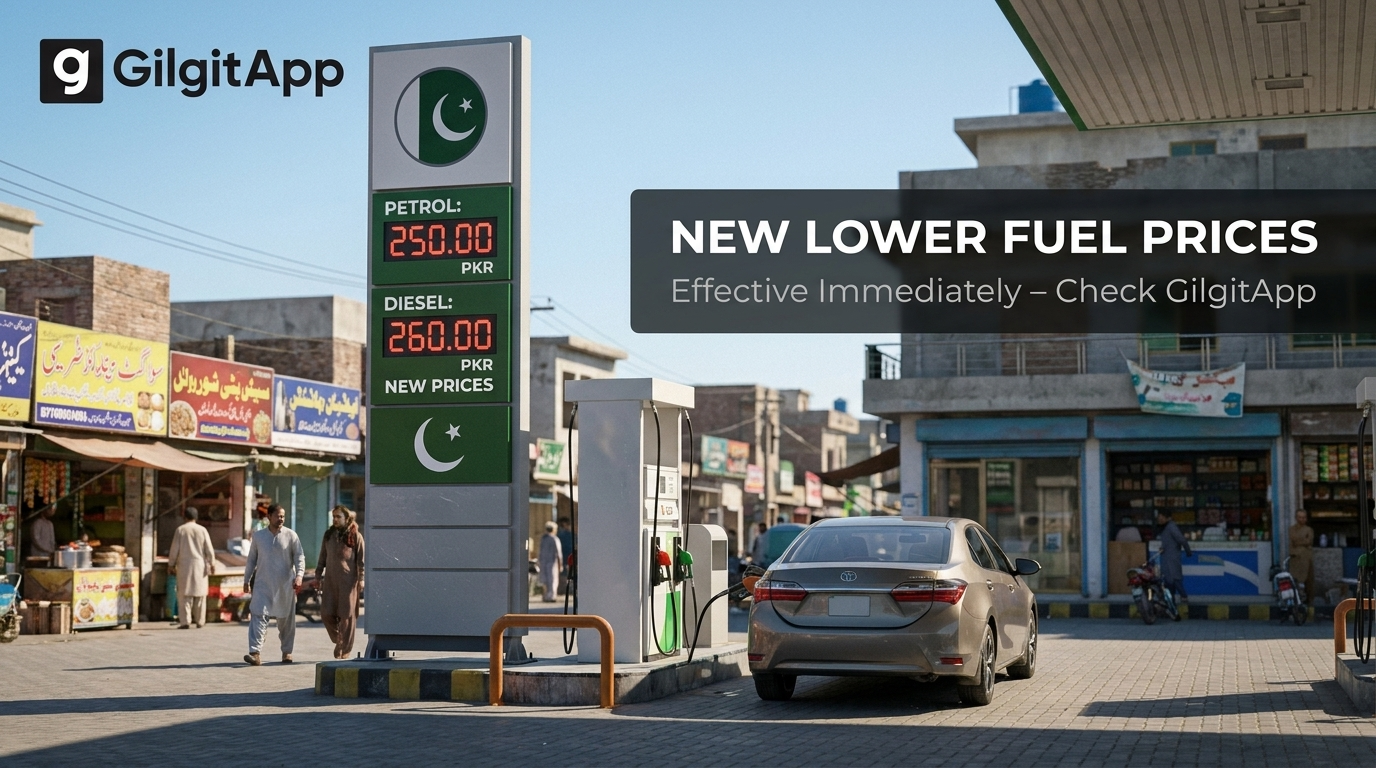
On 29 September 2026, the Government of Pakistan announced a significant fuel price reduction that lowers the petrol price in Pakistan by Rs2.27 per litre and the diesel price in Pakistan by Rs3.56 per litre. This move is the latest response to rising inflation and aims to ease the financial burden on motorists, commuters, and businesses that rely on transport.
Overview of the Price Cut
The announced cuts represent the most substantial adjustment to Pakistan fuel prices in the past year. Below are the key figures:
- Petrol price reduced by Rs2.27 per litre.
- Diesel price reduced by Rs3.56 per litre.
- Effective date: 30 September 2026.
The reduction brings the petrol price today to approximately Rs247.73 per litre (down from Rs250.00) and the diesel price today to about Rs226.44 per litre (down from Rs230.00), aligning with the government's target to keep fuel affordable.
Analysts note that this fuel price reduction follows a trend of periodic adjustments tied to global crude oil fluctuations, exchange rate movements, and domestic tax policies. By intervening now, the authorities hope to curb the inflationary pressure that has been eroding household purchasing power.
New Petrol Price Details
Before the cut, the latest petrol price stood at Rs250.00 per litre. After applying the Rs2.27 reduction, the new price is expected to be around Rs247.73 per litre. This change translates into a monthly saving of roughly Rs1,200 for a typical private car driver who covers 1,500 kilometres per month, assuming an average consumption of 8 km per litre.
How the Reduction Is Calculated?
The government uses a fixed‑rate adjustment mechanism that considers international crude oil prices, exchange rates, and local taxes. By lowering the base price by Rs2.27, the petrol price reduced figure directly reflects the subsidy provided to consumers. The calculation also factors in a modest reduction in excise duty, which contributes to the overall affordability.
Financial experts suggest that if global oil prices remain stable, the current level of the petrol price reduced could be maintained for the next two to three months before another review.
New Diesel Price Details
Similarly, the latest diesel price before the reduction was Rs230.00 per litre. The Rs3.56 cut brings the new diesel price to approximately Rs226.44 per litre. For commercial fleets, this reduction can mean a savings of up to Rs5,000 per month, depending on mileage and vehicle efficiency.
Impact on Commercial Vehicles
Transport companies, delivery services, and public transport operators will feel the effect most strongly. A typical 10‑ton truck that travels 2,000 kilometres each month could save around Rs4,800 on fuel costs, improving profitability and potentially lowering freight rates for customers.
Moreover, the lower diesel cost is expected to reduce the operating expenses of agricultural machinery, which heavily relies on diesel fuel, thereby supporting the agrarian sector of the economy.
Impact on Consumers and Motorists
For everyday commuters, the fuel price reduction offers immediate relief at the pump. The average household that spends Rs3,500 on fuel each month can expect to see a reduction of about 5‑7% in their fuel expenses, freeing up income for other essential items such as food, education, and healthcare.
- Lower commuting costs.
- Potential decrease in public transport fares.
- Increased disposable income for other necessities.
- Reduced pressure on household budgets amid rising food prices.
However, experts caution that the savings may be partially offset by rising prices in other sectors, such as food and utilities, which have also been trending upward.
Effect on Transportation and Logistics
With cheaper diesel, the logistics sector anticipates a enhance in efficiency. Lower operating costs can lead to:
- Reduced freight charges for businesses.
- More competitive pricing for exported goods.
- Potential growth in domestic trade volumes.
- Improved margins for small transport operators.
These benefits align with the government's broader economic objectives to stimulate growth, attract foreign investment, and reduce inflationary pressure across the board.
In addition, the cut may encourage a modest shift from older, less fuel‑efficient vehicles to newer models, as the overall cost of ownership becomes slightly more manageable.
FAQs
When will the new prices be effective?
The new rates take effect from 30 September 2026, and fuel stations are required to update their price boards by midnight on that day.
Will the price cut apply to all fuel stations?
Yes, the reduction is nationwide and includes both urban and rural outlets, ensuring that the latest petrol price and latest diesel price are uniform across the country.
How often does the government adjust fuel prices?
Fuel prices in Pakistan are reviewed monthly, with adjustments based on global oil markets, exchange rates, and domestic economic indicators. The current fuel price reduction is part of a regular review cycle.
Can I expect further cuts in the near future?
While the government has not announced any additional cuts at this time, analysts suggest that if international crude prices decline further, additional reductions could be considered in the next quarterly review.
Conclusion
The recent petrol price reduced by Rs2.27 and diesel price reduced by Rs3.56 marks a positive step for the Pakistani economy. While consumers and businesses alike will enjoy immediate savings, the long‑term impact will depend on broader economic trends, the sustainability of subsidies, and the stability of global oil markets. Keeping an eye on future announcements will be essential for anyone relying on fuel for daily travel or commercial operations.