
Understanding the Proposed Petroleum Levy Amendments and Their Effect on Fuel Prices in Pakistan
The government’s new Petroleum Levy bill tightens collection but leaves rates unchanged—learn what this means for your fuel costs.
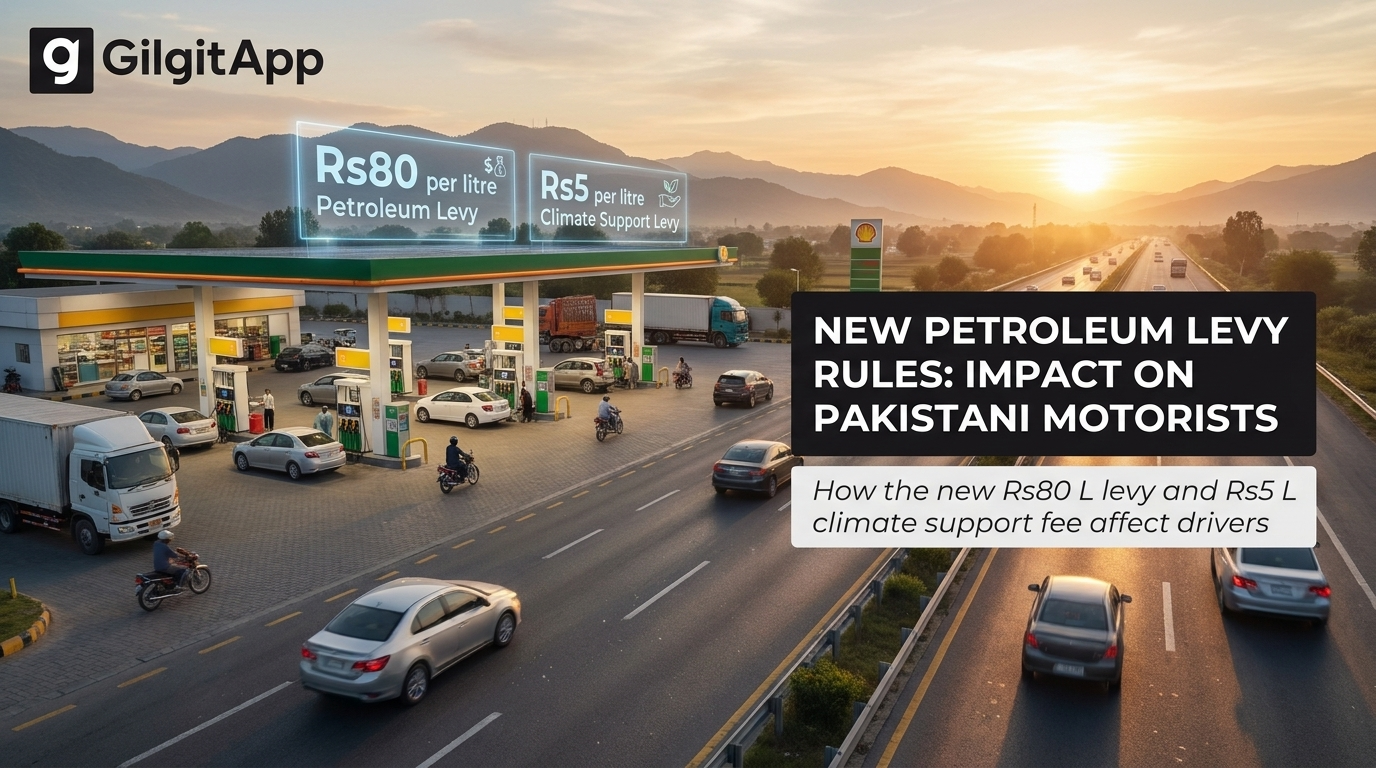
The federal government has tabled a fresh bill in the National Assembly that seeks to overhaul the Petroleum Levy in Pakistan and the accompanying Climate Support Levy. While the legislation promises tighter collection mechanisms and better coordination with OGRA’s licensing framework, it does not alter the headline numbers that drivers see at the pump. As of October 29, 2026, the Petroleum Levy remains fixed at Rs80 per litre and the Climate Support Levy at Rs5 per litre for both petrol and high‑speed diesel. This article explains what the proposed changes mean for motorists, why the levy rates stay unchanged, and what consumers should watch for in future fuel‑price discussions.
Key Provisions of the Amendment Bill
The draft bill focuses on four main areas:
- Improved levy collection: New procedures aim to reduce delays in payments from oil marketing companies to the government.
- Timely reporting: Refined financial reporting standards will provide clearer data on levy revenues.
- Recovery mechanisms: Strengthened recovery processes will help the treasury reclaim any missed or under‑paid levy amounts.
- Alignment with OGRA licensing: The bill seeks to synchronize levy collection with OGRA’s existing licensing and regulatory framework, reducing administrative overlap.
These measures are designed to enhance transparency and efficiency, but they do not propose a reduction in the levy rates that directly affect Pakistan petrol prices 2026.
Why the Levy Rates Remain Unchanged
Several factors explain why the bill keeps the current levy levels:
- Budgetary considerations: The Petroleum Levy and Climate Support Levy constitute a significant revenue stream for the federal budget, especially in a year of fiscal strain.
- Policy consistency: Maintaining stable levy rates helps avoid sudden shocks to the energy market, which could ripple through transportation and logistics sectors.
- Separate discussion on abolition: While some lawmakers are debating the complete removal of the petroleum levy in the upcoming federal budget, that conversation is distinct from the present amendment and will be addressed later.
Consequently, motorists can expect the same per‑litre charge at the pump for the foreseeable future, even as the government tightens its collection framework.
What Motorists Should Know About Future Fuel‑Price Changes
Although the current bill does not change the headline levy, there are two parallel developments that could influence fuel prices down the line:
- Potential levy abolition: Some policy analysts argue that eliminating the petroleum levy could lower pump prices, but the fiscal impact would need to be offset elsewhere in the budget.
- Global oil price volatility: International crude price movements continue to be the dominant driver of diesel prices Pakistan sees, meaning that even without changes to domestic levies, pump prices can fluctuate.
Consumers should stay informed about:
- Official announcements from the Ministry of Finance regarding any levy adjustments or removal.
- Updates from OGRA and the Oil and Gas Development Company on pricing formulas.
- Quarterly fuel price updates released by the government, which incorporate both levy components and global market trends.
By monitoring these sources, drivers can better anticipate any shifts in the cost of filling up their vehicles.
Practical Tips for Drivers
While the legislative process unfolds, motorists can take a few practical steps to mitigate the impact of fuel costs:
- Maintain proper vehicle maintenance to improve fuel efficiency.
- Consider car‑pooling or using public transport during peak price periods.
- Stay alert to promotional offers from oil marketing companies, which sometimes offset levy costs with discounts.
These strategies can help cushion the wallet against any future changes in the petrol tax Pakistan landscape.
Conclusion
The new bill targeting the Petroleum Levy rules in Pakistan is primarily an administrative overhaul aimed at better collection and reporting. It does not lower the existing levy rates, so motorists will continue to pay Rs80 per litre for the Petroleum Levy and Rs5 per litre for the Climate Support Levy as of October 2026. However, ongoing debates about abolishing the levy and the ever‑present influence of global oil prices mean that consumers should keep an eye on official updates. Staying informed and adopting fuel‑saving habits remain the best ways to navigate any future shifts in Pakistan’s fuel‑price environment.